Staring at the Sun: What Total Solar Eclipses Mean for Our World - Game Tutorial & Guides
Every so often, the cosmos aligns in a way that stops millions of people dead in their tracks, pulling our eyes away from our screens and forcing us to look up. While many of us spend our days immersed in high-stakes video games, virtual reality, and sprawling digital worlds, a total solar eclipse reminds us that real-world physics can put on a show no developer could ever fully replicate. If you happen to be in the path of totality across Europe or anywhere else experiencing this rare celestial phenomenon, you are in for a generational visual spectacle. However, gazing at the sun without the proper protective gear is a massive mistake that can permanently sideline your gaming hobby faster than you can say “retinal damage.” Let’s break down what actually happens during a total eclipse, why safety is non-negotiable, and how this astronomical event captures the imagination of communities worldwide.
Why This Rare Cosmic Event Captures Global Attention
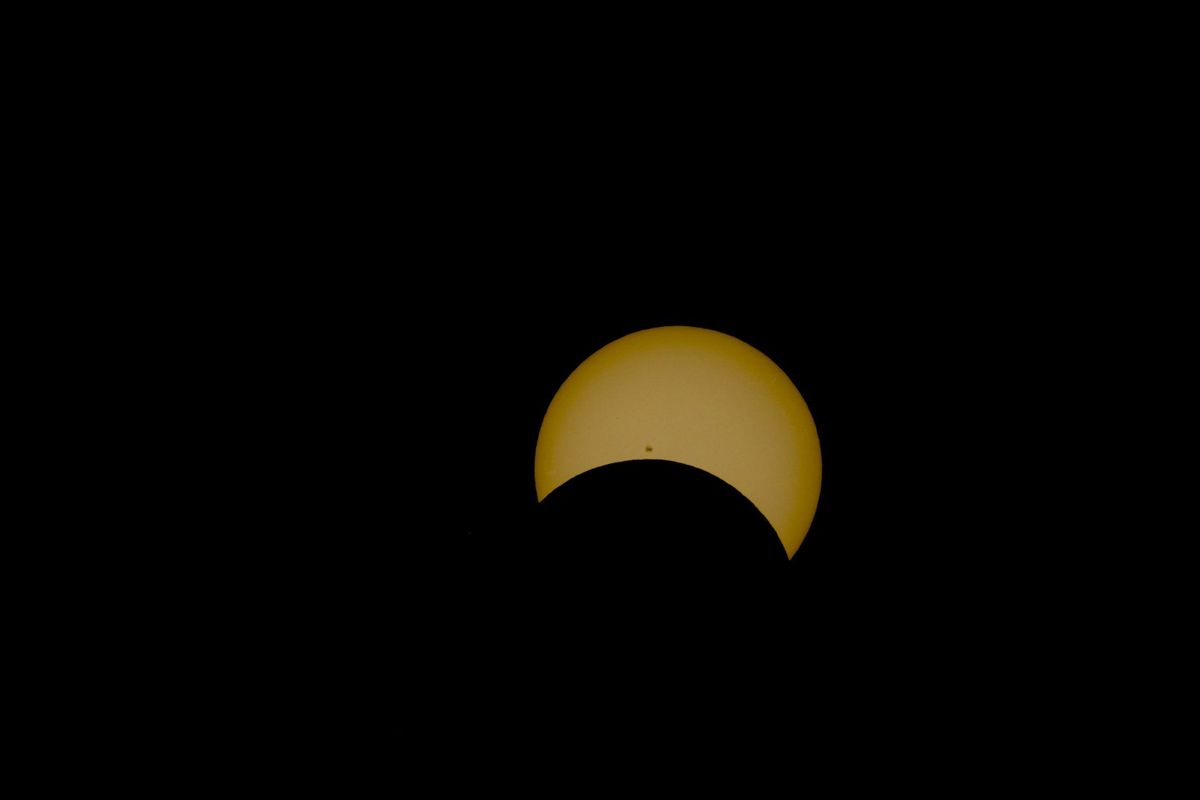
When the moon passes directly between the Earth and the sun, it temporarily blocks the face of our nearest star, plunging daytime landscapes into an eerie, twilight-like darkness. In the gaming industry, developers spend years trying to bake realistic lighting, dynamic shadows, and atmospheric scattering into video games. Yet, witnessing a total solar eclipse in real life completely humbles even the most advanced ray-tracing technology. The horizon glows in a 360-degree sunset, bright stars and planets pop out in the midday sky, and the shimmering solar corona dances around the dark silhouette of the moon.
This rare alignment triggers an immense sense of wonder, drawing millions of astronomy enthusiasts, casual observers, and culture lovers outdoors. It is a shared global moment where people put down their controllers and phones to experience something genuinely otherworldly together. The gaming community, known for its appreciation of epic set-pieces and stunning visual design, often finds deep inspiration in these monumental natural events, translating the awe of the cosmos into future sci-fi and fantasy game development.
Moreover, the logistics of tracking and observing an eclipse share a lot in common with preparing for a major esports tournament or a massive game launch. You need to know the exact schedule, secure your viewing location ahead of time, and ensure your equipment is top-tier. A miscalculation can ruin months of anticipation, making preparation the ultimate key to success.
What the Latest Safety Guidelines Actually Mean
You have probably heard the warning a thousand times: never look directly at the sun. But when a total eclipse rolls around, the temptation to sneak a peek can be overwhelming, especially when the moon covers most of the sun’s disc. This is where most casual observers make a critical error. The partial phases of an eclipse emit concentrated solar radiation that can instantly burn your retinas, and standard sunglasses offer zero protection.
To keep your vision 100 percent operational for your favorite video games, you need to follow strict safety protocols:
- Certified Solar Viewers: Always use eclipse glasses that meet the ISO 12312-2 international safety standard. Regular sunglasses, no matter how dark, are completely unsafe.
- Inspect Your Gear: Check your solar filters and glasses for any scratches, punctures, or tears before putting them on. If they are damaged, toss them immediately.
- The Totality Exception: You can only remove your eclipse glasses during the brief window of “totality”—the exact moments when the moon completely blocks the sun. The second the diamond ring of sunlight reappears, the glasses must go right back on.
- Indirect Viewing: If you cannot get certified glasses, use a pinhole projector or a pair of binoculars projecting onto a white card to view the event safely without direct eye contact.
Key Facts You Should Know About Viewing Paths
If you are planning to travel or set up your observation deck in Europe, location is everything. A total solar eclipse is only visible along a very narrow path called the path of totality. If you step just outside this path, you will only experience a partial eclipse, which lacks the breathtaking crown of the corona and the sudden drop in temperature.
Planning your viewing spot requires the kind of strategic thinking you would normally apply to a competitive esports match. You have to factor in weather patterns, cloud cover predictions, local traffic congestion, and optimal viewing angles. Many astronomy buffs scout out high-altitude regions or open countryside weeks in advance to avoid obstructions. Checking the latest meteorological updates right up until launch day can mean the difference between witnessing a once-in-a-lifetime cosmic masterpiece and staring blankly into a thick blanket of gray clouds.
Common Mistakes and Misunderstandings
Misinformation spreads fast online, and celestial events are no exception. One major myth is that looking at a partial eclipse through a camera viewfinder, smartphone screen, or telescope without a proper solar filter is safe. Doing this will actually fry your camera sensor and pose a severe hazard to your eyes as the lens concentrates the sunlight.
Another common blunder is assuming that because the sky looks dark during totality, UV rays are completely gone. While visible light drops drastically, lingering radiation and changing atmospheric conditions mean you still need to exercise caution. Always respect the timeline provided by astronomers and local authorities rather than guessing when it is safe to remove your protective eyewear.
Practical Takeaways for the Big Day
To ensure your eclipse viewing experience goes off without a hitch, here is a quick checklist to keep in mind:
- Purchase your ISO-certified eclipse glasses well in advance from a reputable, trusted vendor.
- Verify your local timing for totality so you do not miss the fleeting window of maximum darkness.
- Plan your travel route early to beat the massive influx of tourists heading to prime viewing corridors.
- Prepare alternative viewing setups, such as a simple cardboard pinhole projector, as a fun backup plan.
- Stay updated on weather forecasts and be ready to pivot to a nearby clear-sky location if necessary.
Frequently Asked Questions
Can I use my smartphone camera to take a picture of the eclipse?
You can, but you must attach a specialized solar filter to your smartphone lens to prevent the intense sunlight from destroying your camera’s internal sensor. Never point an unprotected phone camera directly at the sun.
What happens if I look at the sun without glasses during a partial eclipse?
Looking directly at the sun without proper filters can cause solar retinopathy, a condition where light damages the retina’s light-sensitive cells. This can lead to permanent blind spots or blurred vision, which definitely won’t help your gaming reflex times.
How long does totality last?
Depending on your exact geographic location along the path of totality, the complete blockage of the sun typically lasts anywhere from a few seconds to a maximum of about four to seven minutes. It is a breathtakingly brief window, so make every second count.
Final Thoughts
While our usual focus here at Game Tutorial & Guides is on conquering virtual worlds, mastering esports strategies, and diving into the latest gaming industry releases, a total solar eclipse gives us an unbeatable reminder of the raw power of the real universe. It is a rare spectacle that brings communities together, sparks our collective curiosity, and offers a much-needed excuse to step away from our glowing monitors and look up at the stars. Just remember to prioritize your safety, grab those certified glasses, and map out your viewing strategy ahead of time so you can enjoy the show without any regrets. Bookmark this page, share this guide with your fellow enthusiasts, and check back regularly for more guides, walkthroughs, and updates on all things gaming and culture!
About the Author