Capturing the Cosmos: How Video Games Bring Celestial Wonders to Life - Game Tutorial & Guides
Why Celestial Events Captivate the Gaming Community
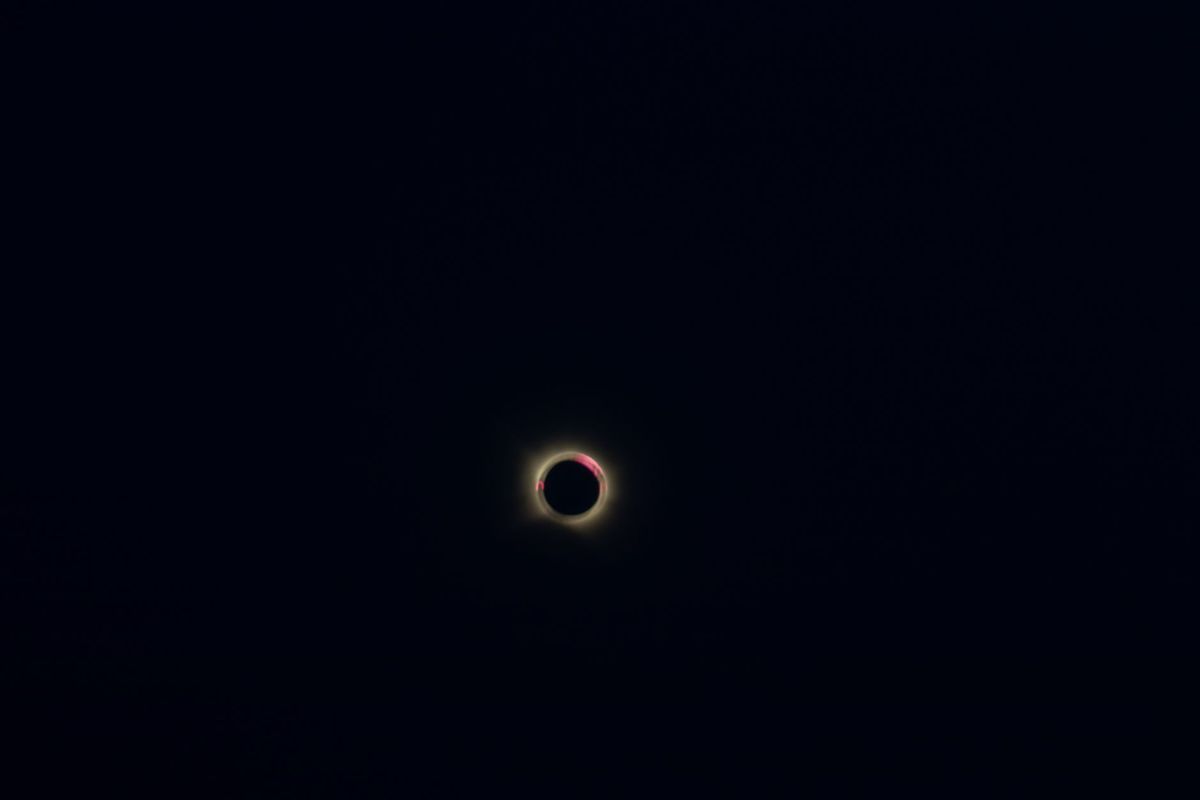
Few sights in nature rival the breathtaking spectacle of a total solar eclipse, turning the midday sky into twilight and casting an eerie, beautiful shadow across the land. While stargazers and photographers race to find clear skies in real life, virtual worlds have long captured this cosmic magic to create unforgettable moments for players. In the realm of video games, celestial events are rarely just background scenery; they serve as major plot points, emotional climaxes, and visually stunning milestones.
When you witness a dark moon sliding perfectly across a digital sun, you are experiencing the intersection of astronomy, art, and game development. The gaming community has always shared a deep fascination with the cosmos, often turning virtual eclipses, meteor showers, and planetary alignments into iconic cultural moments. Whether you are playing a sweeping open-world RPG or an immersive space simulator, these crafted wonders remind us why we fell in love with interactive storytelling in the first place.
Game developers pour massive amounts of creative energy into rendering these rare phenomena accurately and dramatically. From dynamic lighting engines that cast eerie shadows over detailed terrain to custom particle effects that mimic the sun’s corona, the modern gaming industry treats celestial wonders with artistic reverence. It is no wonder that players constantly flood forums and social media with screenshots whenever a new skybox reveal or eclipse mechanic drops in their favorite video games.
What the Latest Update Actually Means for Virtual Astronomy
Recent advancements in real-time ray tracing and procedural generation have changed how virtual skies behave. In many modern video games, celestial bodies do not just sit on a static 2D skybox; they orbit realistically based on in-game physics. This means eclipses and lunar phases happen organically as you explore, adding an extra layer of immersion to your gameplay sessions.
For players who love digital photography within video games, these updates are a game-changer. Virtual photography has evolved into a legitimate art form within the gaming culture, with enthusiasts spending hours framing the perfect shot of a digital solar eclipse over a fantasy castle or a sci-fi metropolis. Understanding how the lighting engine shifts during these events helps you capture cinematic screenshots that rival real-world astrophotography.
Here are a few technical elements you will notice in modern game engines during a total solar eclipse:
- Dynamic ambient occlusion that simulates the sudden drop in natural light.
- Realistic corona diffraction and lens flare effects around the shadowed sun.
- Altered wildlife and NPC behaviors reacting to the unexpected midday darkness.
- Atmospheric scattering changes that tint the horizon in otherworldly hues.
Key Facts You Should Know About Space in Modern Gaming
Integrating realistic astronomy into video games requires a fascinating blend of science and programming. Developers often collaborate with astrophysicists or study real NASA data to make planetary movements feel authentic, even in wildly fantastical settings. This dedication to detail elevates the gaming experience, making exploration feel genuinely vast and mysterious.
Consider how titles focused on space exploration use procedural generation to create billions of unique star systems, each with its own set of moons, suns, and rare alignment events. You might spend dozens of hours exploring a galaxy before finally stumbling upon a rare binary star eclipse. These emergent gameplay moments reward curiosity and make every player’s journey feel completely unique.
Here is what typically happens behind the scenes when a celestial event triggers in your favorite video games:
- The game clock hits the precise coordinate trigger for the planetary alignment.
- Global illumination parameters shift instantly to recalculate shadows and color temperatures.
- Audio design layers adapt, introducing ambient shifts like quieting wildlife or eerie wind sounds.
- Special event flags unlock, allowing players to access time-limited quests, loot, or lore entries.
Common Mistakes and Misunderstandings About Virtual Eclipses
One of the most frequent misconceptions among players is that a total solar eclipse in a video game is just a scripted video file playing in the background. While older titles relied on pre-rendered cutscenes for dramatic sky changes, modern game development uses real-time lighting calculations. This means you can often move your character, manipulate the camera, and interact with the world while the eclipse is actively happening overhead.
Another common mix-up is ignoring the gameplay advantages these events can provide. In many survival titles, RPGs, and strategy games, an eclipse is not just pretty to look at—it fundamentally alters the game mechanics. Enemies might become more aggressive under the cover of artificial darkness, stealth mechanics might receive a massive boost, or certain magical abilities might reach peak power during the alignment.
Failing to prepare for these environmental shifts can leave you vulnerable in high-stakes esports matches or punishing hardcore playthroughs. Treating the sky as a vital piece of tactical information rather than mere wallpaper is a hallmark of experienced players who know how to read every detail the game environment throws at them.
Practical Takeaways for Gamers and Virtual Photographers
If you want to make the most of celestial events in your favorite video games, a little preparation goes a long way. Keep an eye on in-game calendars, read developer patch notes for upcoming updates, and always keep your virtual camera mode shortcut handy. The best moments often pass by quickly, so being ready to pause and frame your shot is essential.
Moreover, participating in community photo contests or sharing your best eclipse captures on gaming forums is a fantastic way to connect with fellow enthusiasts. The gaming community thrives on shared wonder, whether we are analyzing the latest game review, discussing a massive industry announcement, or simply marveling at the beauty of a well-rendered virtual sunset.
Frequently Asked Questions
Question: Can you actually look at a virtual solar eclipse in games without eye protection?
Answer: Absolutely! Unlike real-world total solar eclipses, looking directly at a digital sun in a video game carries no risk to your eyesight. Feel free to zoom in as close as your camera mode allows to admire the texture work and lighting effects.
Question: Do all video games feature realistic day-night cycles and eclipses?
Answer: No, it depends heavily on the genre and engine. Open-world RPGs, space simulators, and survival games are much more likely to feature dynamic celestial events compared to linear arcade games or puzzle titles.
Question: Are virtual eclipses tied to real-world time or in-game clocks?
Answer: It varies by title. Some multiplayer games sync their celestial events with real-world astronomical occurrences, while single-player games usually run on an accelerated internal clock where days and nights pass much faster.
Final Thoughts
Celestial wonders remind us of the incredible artistry and technical prowess driving the modern gaming industry forward. Whether you are chasing breathtaking screenshots, mastering tactical mechanics during a solar blackout, or simply enjoying the view after a long day of gaming, these cosmic details add a layer of magic to our favorite virtual worlds.
If you enjoyed this breakdown, make sure to bookmark this page and check back regularly for more in-depth guides, game reviews, and strategies. Share this article with your gaming group, and let us know in the community forums what your favorite virtual skybox moment has been so far!
About the Author