Stargazing Events and Celestial Updates in Video Games: Why Astronomy is Taking Over the Virtual World - Game Tutorial & Guides
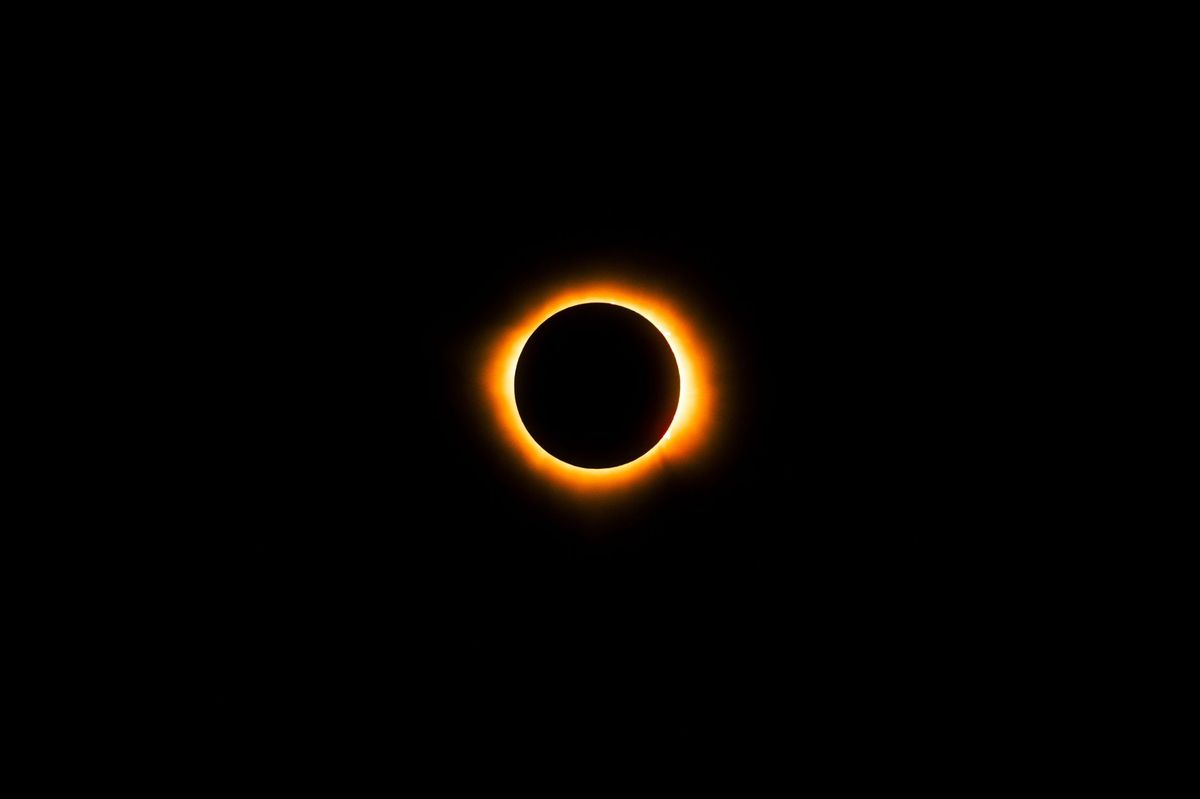
Every once in a while, real-world astronomy captivates the global stage, prompting millions of people to step outside and look up at rare phenomena like a total solar eclipse. But while stargazers are stocking up on certified protective eyewear across Europe, virtual explorers are experiencing these cosmic events in an entirely different dimension. Modern video games have evolved far beyond simple fantasy maps, incorporating real-time celestial mechanics, planetary alignments, and breathtaking astronomical events right into their digital engines. Whether you are navigating an indie game exploration title or tracking rare world events in massive multiplayer online video games, witnessing a digital eclipse offers a unique thrill that bridges the gap between real-world science and interactive entertainment.
Why Cosmic Events Are Taking Over Modern Video Games
For a long time, day-night cycles in video games were purely aesthetic choices designed to change the lighting or spawn specific nighttime enemies. Today, developers treat celestial mechanics with incredible precision, often simulating actual orbital physics. When a major real-world event like a total eclipse captures public interest, it naturally influences the gaming ecosystem, inspiring developers to introduce time-limited celestial updates.
This trend is especially prominent in open-world survival titles, space simulators, and massive multiplayer online role-playing games. Players love immersion, and nothing enhances a game world quite like looking up at the sky and seeing a moon slowly slide across a virtual sun, casting dynamic shadows across the entire landscape. It transforms a standard gameplay session into a memorable, atmospheric experience that feels alive and reactive.
Furthermore, these events often serve a gameplay purpose rather than just looking pretty. Many developers tie special crafting materials, rare boss spawns, or seasonal achievements directly to the duration of a virtual eclipse. If you aren’t paying attention to the in-game calendar, you might miss out on legendary loot that only drops when the virtual sun goes dark.
Top Games That Feature Stunning Eclipses and Stargazing
If looking up at the real sky isn’t an option—or if the weather forecast ruins your view—several incredible video games let you witness breathtaking cosmic alignments on your PC gaming rig, Nintendo Switch, or console. Titles ranging from massive open-world RPGs to relaxing indie titles make great use of astronomy.
Here are a few titles known for their incredible celestial design:
- Elden Ring: While the Lands Between features its own twisted mythos, the shifting skies, falling stars, and ominous lunar events set a masterclass in atmospheric dread and wonder.
- Outer Wilds: This critically acclaimed indie masterpiece revolves entirely around a solar system trapped in a tragic, repeating time loop, making planetary orbits and supernova events central to the puzzle-solving.
- The Legend of Zelda: Tears of the Kingdom: Exploring the skies of Hyrule on the Nintendo Switch gives you a front-row seat to dynamic weather patterns and ethereal lighting shifts.
Exploring these digital worlds lets you appreciate how far game developers have come in rendering realistic lighting, planetary shadows, and immersive atmospheric haze.
How Game Engines Simulate Real-World Astronomy
Creating a realistic solar eclipse inside a video game is no easy task for developers. It requires complex lighting engines, ray-tracing capabilities, and accurate mathematical models of orbital mechanics. When a player stands on a digital mountain and watches the sky darken, the game engine is calculating how ambient light scatters through the atmosphere in real-time.
Developers often collaborate with astronomy enthusiasts or physics researchers to ensure that celestial bodies move naturally. This level of dedication helps bridge the gap between hard science and gaming entertainment. PC gaming enthusiasts with high-end Steam rigs can crank up their graphics settings to maximum, enabling advanced ray-traced shadows that make the corona of a virtual star look indistinguishable from the real thing.
Even mobile titles and casual games on platforms like Nintendo Switch have optimized their rendering techniques to bring impressive day-night cycles and planetary alignments to portable screens. It proves that players across every hardware ecosystem appreciate the beauty of a well-crafted night sky.
Common Misunderstandings About In-Game Astronomy
As virtual worlds become more scientifically accurate, players sometimes confuse game mechanics with real-world physics. While games like *Elden Ring* or space exploration titles look stunning, they rarely mirror real orbital paths on a 1-to-1 scale. Game designers always prioritize player pacing and fun over absolute scientific realism.
Another common misconception is that a real-world celestial event automatically triggers an in-game event in every title you play. While some live-service games and esports titles roll out themed updates to coincide with real-world eclipses or meteor showers, single-player games usually operate on their own internal clocks. You might need to rest at a virtual campfire for several days to trigger that rare solar alignment.
Finally, remember that while virtual eclipses on your screen are completely safe to stare at without special glasses, always prioritize your real-world eye safety if you plan to step outside and gaze at an actual solar event in Europe or anywhere else!
Practical Takeaways for Virtual Stargazers
If you want to experience the best celestial events that the gaming world has to offer, a little bit of preparation goes a long way. Keeping your game libraries updated and paying attention to seasonal community patches will ensure you never miss a limited-time cosmic event.
- Check community forums and Reddit for your favorite games to see when seasonal night-sky updates or celestial events are scheduled.
- Adjust your in-game graphics settings—especially volumetric fog and shadow quality—to fully appreciate the lighting changes during virtual eclipses.
- Explore indie game releases that focus specifically on space exploration and astronomy for some of the most creative interpretations of the cosmos.
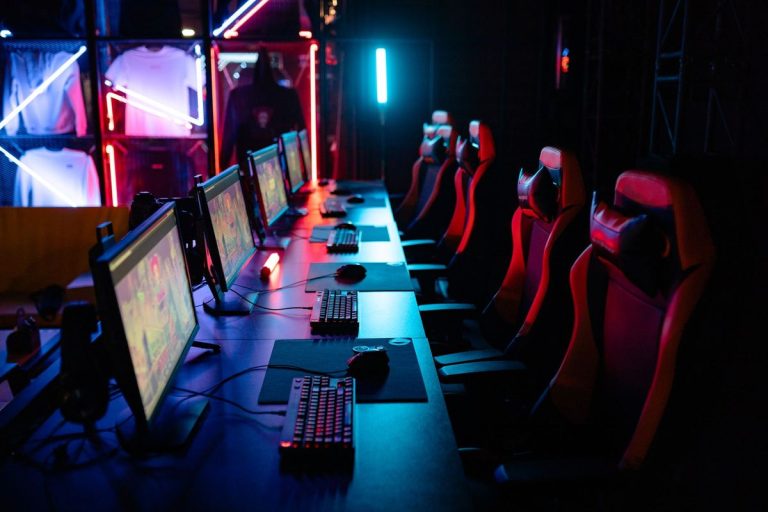
By blending a passion for real-world astronomy with the limitless possibilities of video games, you can enjoy the beauty of the universe whether you are sitting under the actual stars or relaxing in your gaming chair.
Frequently Asked Questions
Question: Do video games update automatically during real-world solar eclipses?
Answer: Not usually. While some live-service multiplayer games feature special seasonal events timed with real-world astronomy, most single-player titles run on independent internal clocks.
Question: Can I learn actual astronomy by playing video games?
Answer: Games that feature realistic orbital mechanics, such as space flight simulators and specific indie exploration titles, can teach you a lot about constellations, planetary movement, and gravity.
Question: Which gaming platforms offer the best graphics for celestial events?
Answer: High-end PC gaming rigs running modern graphics cards with advanced ray-tracing capabilities offer the most visually stunning planetary alignments and lighting effects, though consoles and the Nintendo Switch also offer fantastic atmospheric experiences.
Final Thoughts
Whether you are stepping outside in Europe with the right protective eyewear to witness a breathtaking real-world solar eclipse, or logging into your favorite PC gaming world to explore digital galaxies, the intersection of astronomy and gaming has never been more exciting. Developers continue to push the boundaries of what is possible, turning virtual night skies into breathtaking canvases of light and shadow.
If you enjoyed this deep dive into celestial events in gaming, make sure to bookmark this page and check back regularly for more walkthroughs, tips, and gaming news. Share this guide with a fellow gamer or astronomy fan who loves exploring virtual worlds!
About the Author