Stargazing Meets Strategy: Why Total Eclipses Are the Ultimate Live-Action Gaming Event - Game Tutorial & Guides
Every once in a while, the universe drops a live global event that requires zero downloads, runs on the ultimate physics engine, and completely captures the attention of millions. If you are anywhere near Europe during the next major total eclipse, you are about to witness a rare celestial alignment that feels straight out of an open-world sci-fi epic. However, before you run outside to gawk at the sudden cosmic shift, you need to make sure your gear is properly optimized. Just like diving into a high-level raid without the correct resistance stats, looking straight at a solar event without the right protection is a massive rookie mistake you simply cannot afford to make.
Treating Celestial Events Like a Live-Service Season Pass
In the modern gaming industry, time-limited live events dictate how we play video games, bringing communities together for a single, fleeting moment. A total eclipse operates on that exact same philosophy, functioning as a real-world server-wide event that you cannot replay or fast-forward. When the moon crosses paths with the sun, day instantly turns into an eerie twilight, streetlights blink on automatically, and the temperature takes a sudden, shocking nosedive. It is a masterclass in atmospheric game design courtesy of Mother Nature herself.
Gamers and astronomy buffs alike love these phenomena because they remind us of the sheer scale of the universe. While developers spend years rendering dynamic lighting and atmospheric scattering in games, seeing a total solar eclipse in person is a humbling reminder of what the real physics engine can pull off. It is essentially an unmissable community event that gets everyone stepping away from their monitors and looking upward.
To get the most out of this massive real-world event, you need to plan your viewing location just like you would map out a new raid zone. Weather forecasts act as your patch notes, and cloud cover is the ultimate raid-wrecker. Taking the time to scout a clear horizon gives you the best chance to experience totality without unexpected obstacles blocking your view.
Why Gear Matters: Protecting Your Optic Stats
In any serious gaming community, running the wrong gear gets you laughed out of the lobby. When it comes to astronomical viewing, the stakes are literal physical damage rather than just a digital game over. Standard sunglasses, no matter how dark or trendy they look, will not cut it when you are staring up at a celestial body. You need certified solar viewing glasses that block out harmful infrared and ultraviolet radiation.
Think of proper solar filters as your ultimate defensive buff. Without them, you risk permanent debuffs to your eyesight. Here is a quick checklist of equipment checks you should run before heading outside:
- Inspect your solar viewing glasses for any scratches, punctures, or loose frames before putting them on.
- Ensure your gear carries an official ISO 12312-2 international safety standard certification.
- If you plan to use a camera, telescope, or binoculars, make sure they are fitted with specialized front-facing solar filters rather than eyepiece filters.
The European Viewing Window and Trajectory
Catching a total eclipse requires being in the exact right zone at the precise second. For players and enthusiasts based across the European continent, tracking the path of totality is very similar to plotting a speedrun route. The shadow of the moon moves at incredible speeds across the Earth’s surface, meaning the grand spectacle of totality usually only lasts for a few fleeting minutes.
Planning your viewing expedition means understanding where the optimal vantage points are located. Coastal regions, high-altitude mountain ranges, and open rural areas often provide the most unobstructed horizons. Checking local astronomy clubs or regional weather updates can give you a tactical advantage, helping you avoid localized weather anomalies that might ruin your view.
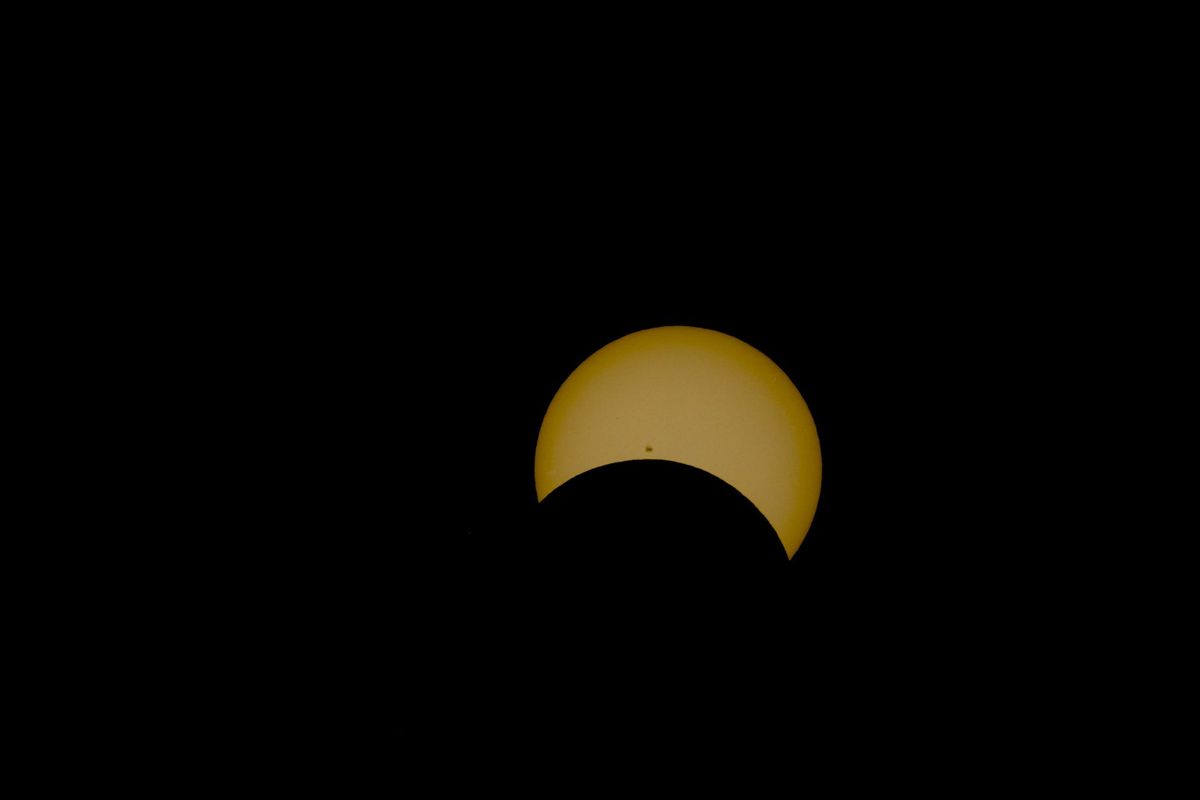
During the partial phases leading up to totality, you will notice unique optical effects scattered across the ground. Sunlight filtering through the leaves of nearby trees creates hundreds of tiny, natural projection crescents on the pavement. Paying attention to these subtle environmental details makes the entire experience feel remarkably immersive.
Common Mistakes and Misunderstandings
Even seasoned adventurers make avoidable errors when tackling rare events for the first time. The biggest misconception about a total solar eclipse is that you can take your safety glasses off at any random moment during the sequence. In reality, you can only remove your certified eye protection during the extremely brief window of absolute totality, when the sun is completely blocked by the moon.
Another frequent misstep is relying on makeshift filters like smoked glass, exposed photographic film, or layered sunglasses. These makeshift items do not offer adequate protection and can still transmit harmful solar radiation. Always stick to laboratory-tested, certified gear to keep your eyes safe throughout the entire celestial sequence.
Practical Takeaways for Your Stargazing Setup
Preparing for a major cosmic alignment does not require a degree in astrophysics, but a little preparation goes a long way. Follow these steps to ensure a smooth, memorable experience:
- Acquire certified ISO-compliant solar viewing glasses well in advance before local stocks run out.
- Map out your viewing spot ahead of time and check multiple weather reports for cloud cover probabilities.
- Arrive at your location early to set up any cameras, chairs, or binoculars without rushing.
- Enjoy the sensory changes around you—listen to how local wildlife reacts as day suddenly turns into night.
- Store your gear properly afterward so you are completely prepared for the next big celestial event.
Frequently Asked Questions
Question: Can I look directly at the sun during a total eclipse?
Answer: You can only look directly at the sun without protection during the brief period of totality when the moon completely covers the sun’s disk. At all other times, you must use certified solar viewing glasses.
Question: Are regular sunglasses safe for viewing an eclipse?
Answer: No, standard sunglasses transmit far too much light and do not protect your eyes from the invisible ultraviolet and infrared radiation generated by the sun.
Question: What happens if it is cloudy on the day of the event?
Answer: Thick cloud cover will block your direct view of the sun and the corona, though you will still experience the sudden darkness and temperature drop associated with totality.
Final Thoughts
Real-life events of this magnitude remind us why exploring the physical world is just as thrilling as conquering virtual landscapes. Whether you are an avid stargazer or simply someone who loves witnessing rare natural phenomena, catching a total eclipse is an unforgettable experience. Grab your certified gear, plan your viewing spot carefully, and step outside to witness one of nature’s greatest spectacles.
If you enjoyed this breakdown and want to stay updated on more fascinating real-world events, tech updates, and gaming culture guides, make sure to bookmark this page and check back soon for our latest walkthroughs and strategies.
About the Author